Black rye bread, the loaf on every Estonian table
Known locally as leib, dark sourdough rye bread remains an essential daily staple in Estonia, connecting agricultural landscapes, bakery traditions, and home tables.
A daily staple
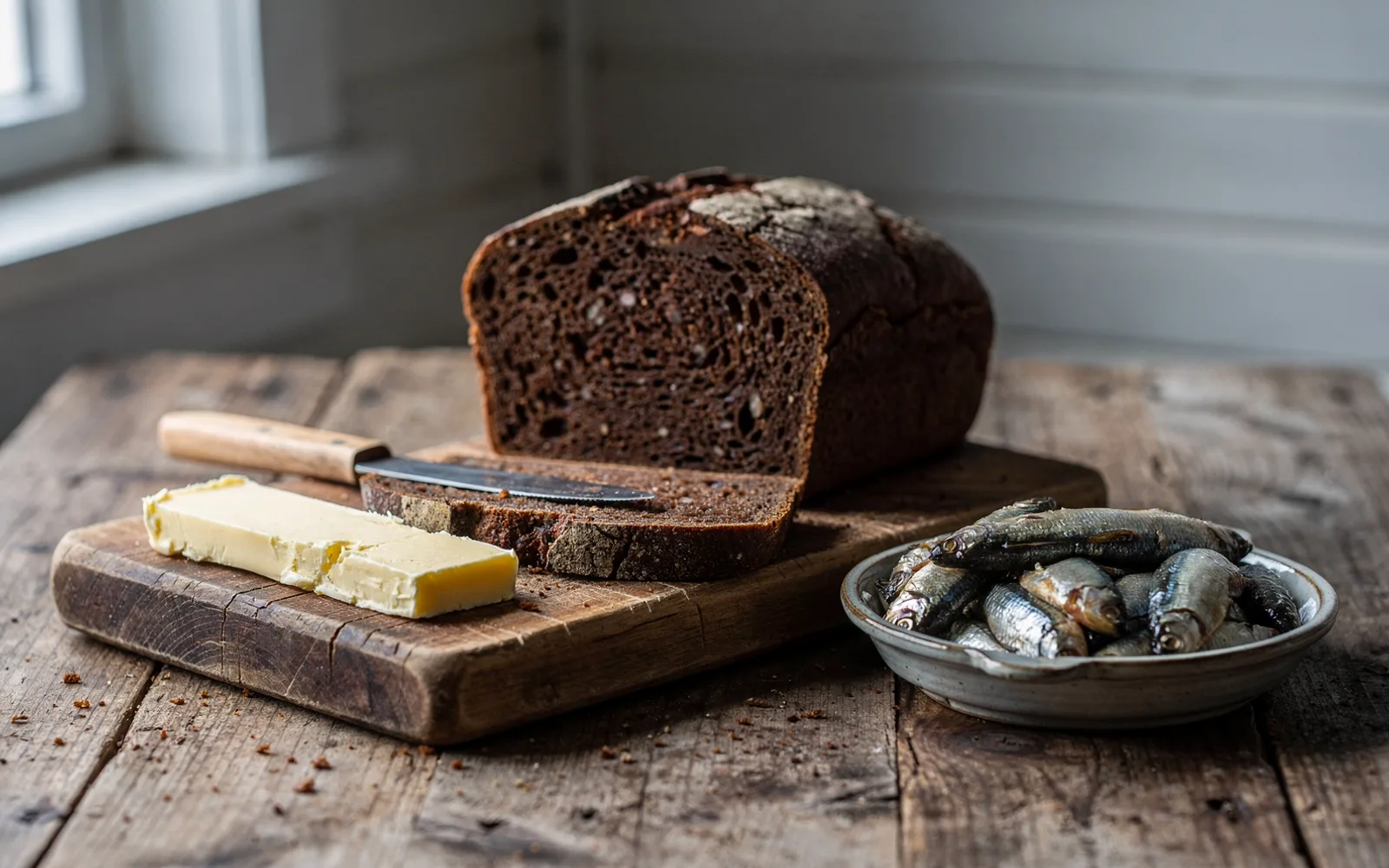
In Estonia, dark rye bread is more than a simple carbohydrate on the dining table. Known as leib, this dense, dark loaf serves as the foundational element of meals throughout the day, appearing at breakfast, lunch, and dinner. The Estonian language even distinguishes between white wheat bread and black rye bread, reserving the word leib specifically for loaves made from rye grain.
The connection between the population and this staple food spans generations of rural and urban living. While tastes in other food categories shift over time, dark rye bread holds a constant position in the national kitchen. Households rely on it as a dependable source of energy, and its familiar aroma defines kitchens and dining spaces across the country.
Families keep fresh loaves wrapped on kitchen counters, ensuring a loaf is readily available for quick snacks and main meals alike. The simple presence of dark rye bread remains a marker of home comfort and culinary continuity.
The craft of sourdough fermentation
Authentic dark rye bread relies on a methodical, time-honored preparation method that centers on a living sourdough starter. Unlike light wheat loaves that rise rapidly with modern baking yeast, dense rye requires a slow, controlled fermentation process. Bakers maintain starters carefully, allowing natural yeasts and lactic acid bacteria to develop the complex acidity and robust crumb characteristic of the bread.
This extended fermentation time softens the rye flour, activates enzymes, and produces a deep, tangy profile that balances natural grain sweetness. Recipes often introduce additional components such as caraway seeds, which lend a distinct herbal note that complements the sour crust. Fermented malt flour is also a common addition, imparting a darker color and a subtle roasted depth to the interior crumb.
The dough itself is dense, sticky, and distinctly heavy compared to wheat dough, demanding specific kneading and handling techniques. When baked in hot ovens, the loaves form a firm, protective crust that seals in moisture and keeps the bread fresh for days.
Respect for the grain
The story of Estonian rye bread begins in the expansive rye fields that define wide sections of the rural countryside. Rye grows well in northern soils and cooler climates, making it a reliable crop through varied weather conditions. Because survival in earlier centuries often depended directly on a successful harvest, rye acquired a status of profound reverence among farming communities.
This deep respect for grain generated domestic traditions designed to prevent waste and show gratitude for daily sustenance. According to old customs, if a piece of leib fell to the floor, a person was expected to pick it up immediately and kiss it before eating it or setting it aside. Wasting or disrespecting bread was considered deeply improper, reflecting the high value placed on the labor required to sow, harvest, and bake.
While modern living has changed kitchen routines, the underlying cultural regard for bread remains visible in everyday habits. People still treat dark rye loaves with a level of care and caretaking rarely extended to ordinary groceries.
Table traditions and modern bakeries
Dark rye bread forms the base for classic everyday combinations that emphasize clean, savory pairings. A warm slice is often eaten with a generous spread of plain butter, letting the contrast between cool dairy fat and tangy rye crumb speak for itself. Fish pairings are particularly beloved, with salted herring or spiced Baltic sprats, frequently served with boiled eggs and fresh scallions, placed directly onto buttered slices.
These open-faced sandwiches appear at simple weekday lunches as well as celebratory family gatherings. The firm texture of the bread provides a sturdy structure that holds rich, salty toppings without becoming soggy. It functions as both a companion to hearty soups and a standalone plate when paired with simple farm ingredients.
Today, bakeries across the country continue to sustain and evolve this tradition with enthusiasm. Dedicated craft bakeries, local village ovens, and large production facilities all produce distinct variations of the classic loaf for their communities. Whether baked according to family heirlooms or modern artisan recipes, dark rye bread remains the loaf that unites tables nationwide.
Spotted an error? Write to newsroom@nordexanews.com. Corrections are noted at the end of the article. See our editorial standards.