The Võro smoke sauna, an old ritual on UNESCO's list
In south-east Estonia, the chimney-free smoke sauna of Võromaa preserves an ancient communal tradition that combines patient craftsmanship, seasonal birch whisks, and UNESCO recognition.
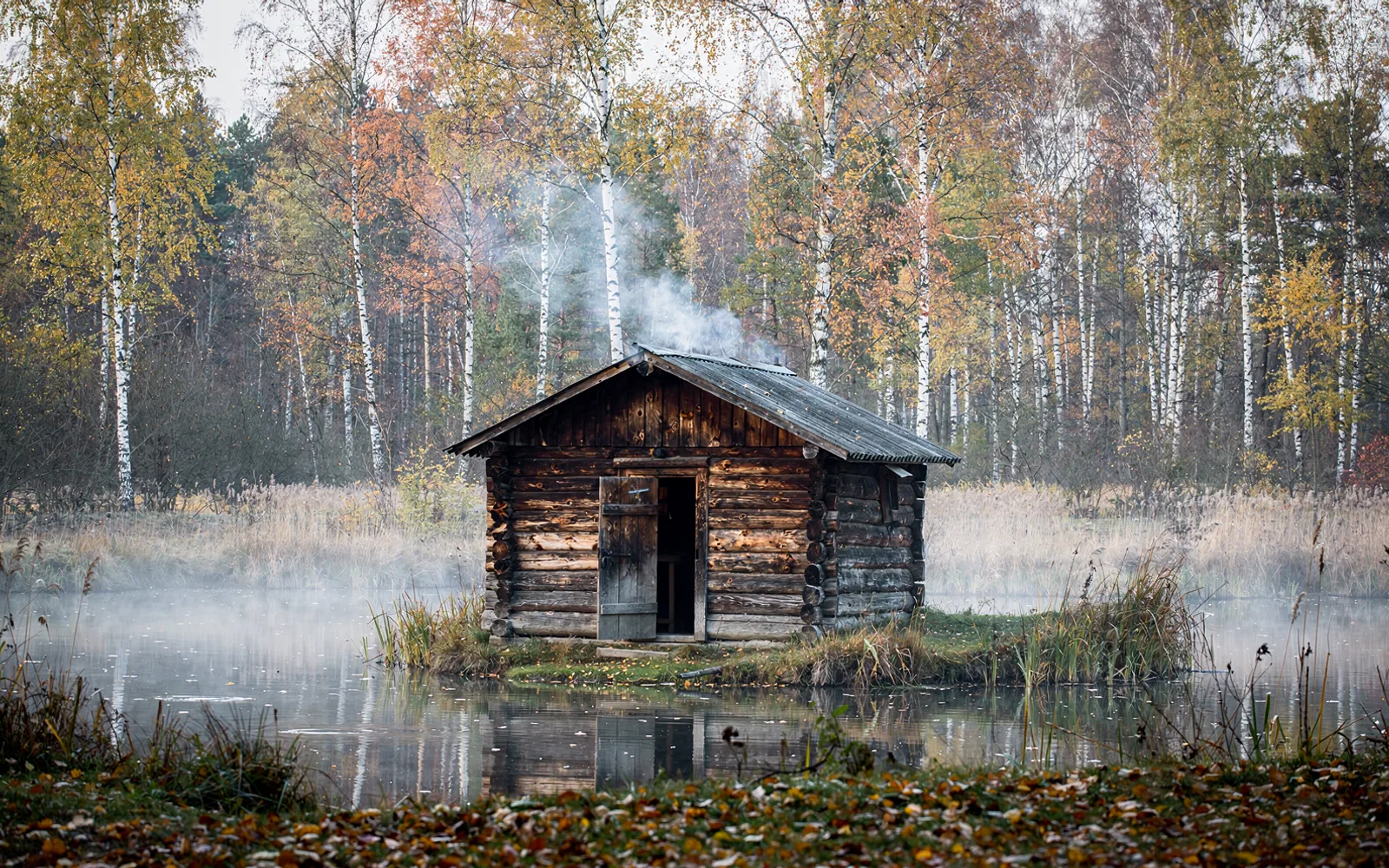
A living tradition in south-east Estonia
In the rolling landscape of south-east Estonia, the historical region of Võromaa maintains one of the oldest thermal traditions in Northern Europe. The smoke sauna, known locally as the savvusann, represents an enduring cultural space where community life, folklore, and practical craft intersect. In 2014, UNESCO inscribed the smoke sauna tradition of Võromaa on its Representative List of the Intangible Cultural Heritage of Humanity, affirming its deep cultural significance and the care with which local families safeguard it.
Unlike modern saunas equipped with metal stoves and chimneys, the traditional smoke sauna is defined by its elemental simplicity and patient pace. The structure itself is typically a modest log cabin built from pine or spruce, nestled quietly near a pond, lake, or woodland stream. Inside, the heavy timber walls gather decades of carbon, soot, and natural oils, creating a dark sanctuary that carries the rich aromas of seasoned firewood, warm mineral stone, and fresh well water.
The rhythm of wood, stone, and smoke
Heating a traditional smoke sauna requires both time and careful, practiced observation. The massive stone hearth has no chimney or flue, meaning that all the smoke generated by the wood fire fills the room entirely during the heating cycle. A fire of split hardwood, most often birch or alder, burns steadily for anywhere between four and eight hours, gradually heating hundreds of kilograms of fieldstones stacked above the hearth fire.
Controlling the fire requires an understanding of how air flows through the small room and across the stones. The sauna master must choose well-seasoned logs that burn with steady, clean heat, ensuring that the stone core reaches the high temperatures needed for steam. If the firewood is too damp, excessive soot will settle on the benches and walls, making the final bathing environment less comfortable for the family.
Once the stones have absorbed sufficient thermal energy, the fire is allowed to die down, and the remaining embers are removed from the hearth. The caretaker then opens small wooden vents, wall flaps, and the exterior door to let the dense, aromatic smoke roll out into the surrounding yard. When the air clears, the surfaces are rinsed, a preliminary splash of water clears the soot from the rocks, and the room settles into a gentle, enduring warmth.
The sensory experience of steam and birch
When bathers finally enter the dark, soot-patinated chamber, the atmosphere feels remarkably soft rather than harsh or scorching. The heat radiates slowly from the deep layer of stones, producing a thick, wrapping steam called leil whenever fresh water is cast onto the hearth. This steam carries the distinct scent of dried wood smoke without irritating the eyes or throat, provided the heating and venting were managed properly.
Central to this bathing ritual is the birch whisk, known in Estonian as the viht, or vihad in the plural form. Gathered around midsummer when the deciduous leaves are supple and rich in natural oils, these leafy birch twigs are bound tightly with flexible shoots and dried for use throughout the year. Before entering the sauna, the dry whisks are soaked in warm water to restore their elasticity and release their pleasant forest perfume.
Bathers use the softened whisks to beat their skin rhythmically, beginning with the limbs and moving across the shoulders and back. This traditional technique stimulates circulation, cleanses the pores, and spreads the fragrant warmth evenly across the body. Taking breaks between steam sessions to cool down in nearby natural waters or the crisp outdoor air remains an essential part of the prolonged, meditative cycle.
Preserving skills across generations
The smoke sauna has never been merely a site for personal hygiene, serving instead as a vital focal point for rural household life over generations. Historically, the sterile, heated, and quiet environment of the sauna made it the traditional space for childbirth and for nursing the elderly or unwell. Furthermore, farm families frequently utilized the cooling sauna to smoke and preserve cuts of pork, hanging the meat beneath the ceiling rafters where lingering smoke and steady warmth cured it effectively.
Today, the survival of the Võromaa tradition rests entirely on families passing down their specialized knowledge through everyday domestic practice. Young people learn how to harvest suitable timber, how to assemble dry-stone stove bases, and how to read subtle shifts in temperature and smoke patterns. By treating each heating as a cooperative effort between neighbors and kin, the communities of south-east Estonia keep this ancient ritual thoroughly woven into modern village life.
Spotted an error? Write to newsroom@nordexanews.com. Corrections are noted at the end of the article. See our editorial standards.