How to watch the Geminids from Estonia this December
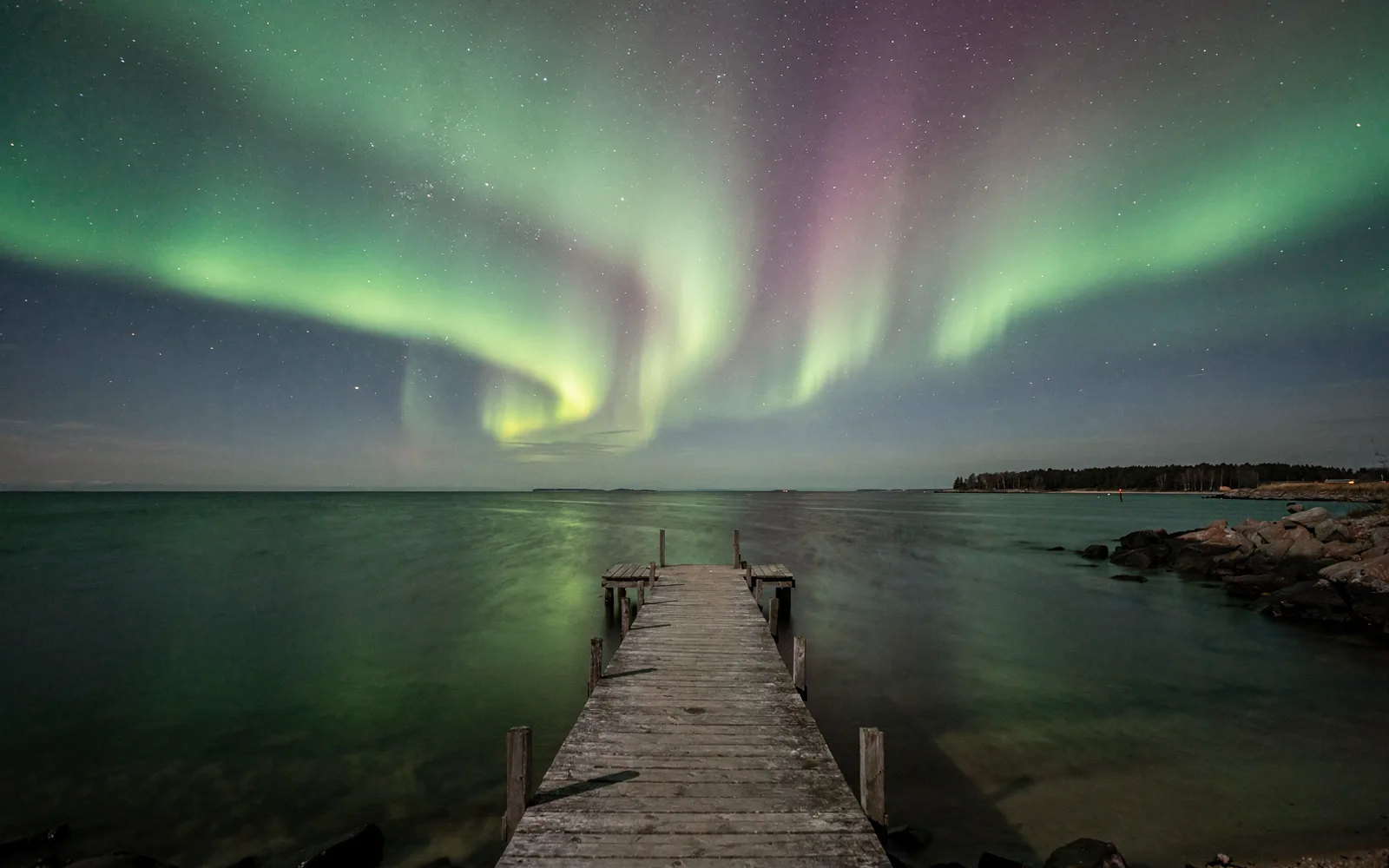
Long winter nights and quiet coastal stretches provide stargazers across Estonia with excellent opportunities to observe the annual Geminid meteor shower each December.
A reliable celestial winter display
Every winter, the northern sky hosts one of the most consistent and prolific meteor showers of the calendar year. The Geminids reach their peak activity around December 13 and 14, delivering bright streaks of light that cut across the darkness. Under optimal conditions and clear weather, observers away from urban illumination can count over 100 meteors per hour during the strongest phase of the display. These meteors are known for their relatively slow motion and high luminosity, creating vivid trails that stand out against the backdrop of distant stars.
Unlike many other prominent meteor showers that originate from icy comets, the Geminids trace their source to an unusual rocky object known as asteroid 3200 Phaethon. As this celestial body travels along its eccentric orbit around the sun, it sheds dense trails of rocky debris and grit. When the Earth passes through this stream each December, those fragments collide with the upper atmosphere at high velocity and vaporize. The resulting friction creates bright streaks of incandescent gas that appear as shooting stars across the winter sky.
Timing and night sky conditions
Estonia benefits from its northern latitude during December, which yields exceptionally long nights that grant observers extensive viewing windows. The darkness sets in during the late afternoon, giving skywatchers ample time to monitor the heavens before the cold reaches its deepest point. The meteors appear to radiate from the constellation Gemini, from which the shower takes its historical name. While occasional early meteors might streak across the evening sky, overall activity climbs substantially as the radiant point rises higher above the eastern horizon.
Stargazers generally find the best viewing conditions around and after midnight, when Gemini reaches an elevated position in the southern sky. The position and phase of the moon play a critical role in how many meteors remain visible to the naked eye. A bright, full moon can wash out fainter streaks and reduce counts to only the brightest fireballs, while a slender crescent or a new moon preserves the ink-black backdrop needed to catch subtle flashes. Checking lunar phases beforehand helps observers choose the clearest hours for the display.
Finding dark horizons across Estonia
Artificial light remains the primary obstacle for visual astronomy in the Baltic region. Light pollution from Tallinn and neighboring urban settlements scatters across the lower atmosphere, obscuring the fainter meteors that form the bulk of the shower. Moving even a modest distance away from built-up neighborhoods reveals far more stars and dramatically improves the visual contrast of the night sky. A dark sky allows the fainter members of the meteor stream to stand out clearly against the background.
Rural districts, protected nature reserves, and open coastal zones offer some of the darkest horizons in the country. Locations along the northern and western coastlines provide wide, unobstructed views over the Baltic Sea with minimal interference from ground lighting. Broad open fields, coastal meadows, and forest clearings situated away from highway corridors provide calm environments where celestial trails can be viewed without municipal glare. Taking advantage of these expansive rural vistas ensures a clearer perspective of the shower.
Practical preparation for cold conditions
December temperatures in Estonia regularly plunge below freezing, making proper clothing the single most essential piece of equipment for a night outdoors. Stargazing requires staying stationary for prolonged periods, which causes the human body to lose heat much faster than during an active walk. Thick insulated layers, windproof outerwear, warm winter boots, and protective headwear allow viewers to remain outdoors long enough to catch major bursts of activity. Bringing an insulated thermos with a hot beverage also helps maintain comfort during extended watches.
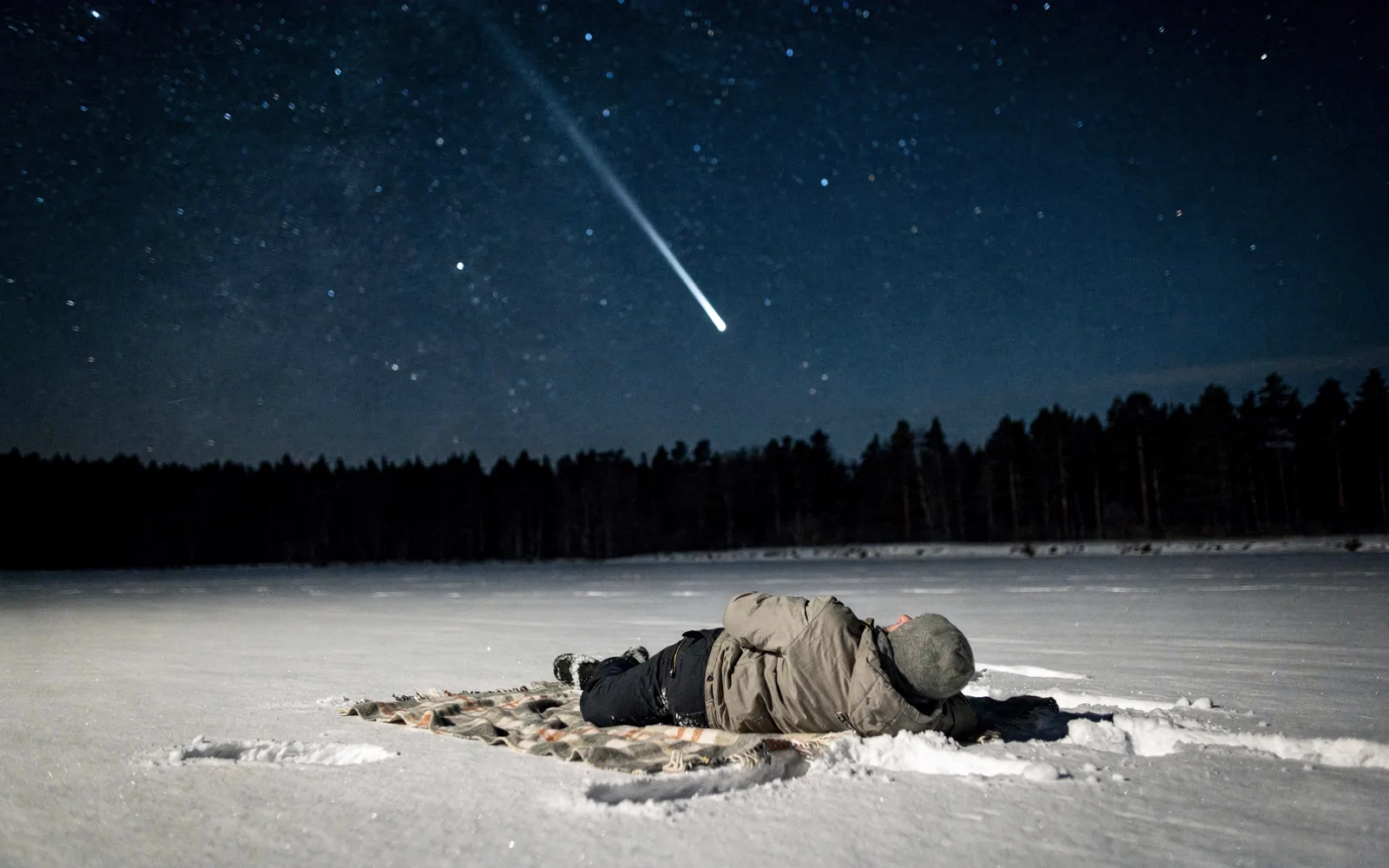
Patience and visual adaptation are equally vital for a successful watch. The human eye requires at least twenty minutes in total darkness to develop its night vision and achieve maximum sensitivity to faint light. Avoiding bright screens, white flashlights, and vehicle headlights preserves this delicate adaptation, making faint shooting stars visible as the eyes adjust. Reclining on a folding chair or an insulated ground mat keeps the neck relaxed while scanning the sky overhead.
Spotted an error? Write to newsroom@nordexanews.com. Corrections are noted at the end of the article. See our editorial standards.