Kihnu, the island that keeps its own calendar of songs
Preserved in the waters of the Gulf of Riga, the Estonian island of Kihnu maintains a living cultural heritage where maritime songs, weaving traditions, and daily rituals endure.
An island shaped by the sea
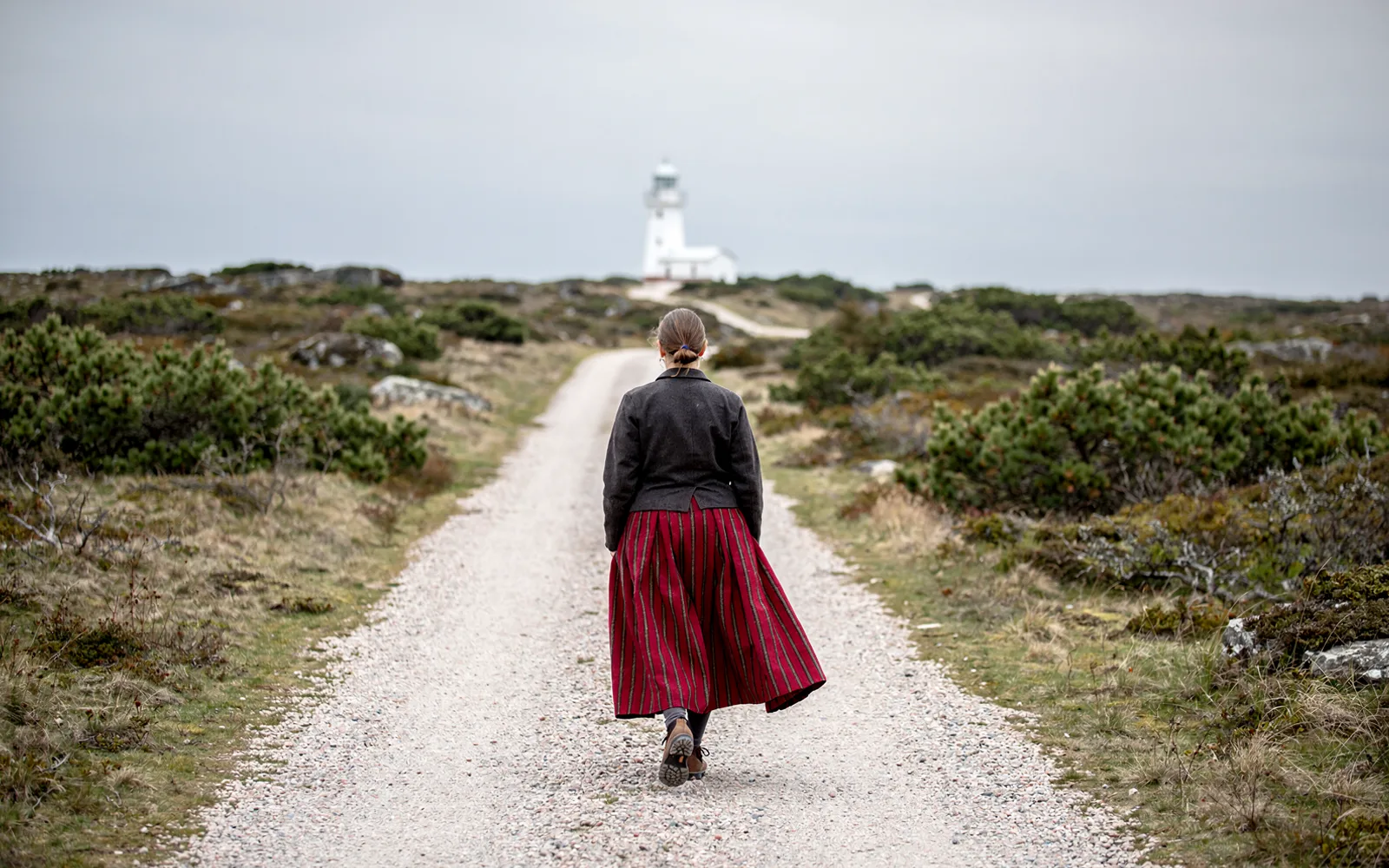
Located in the shallow waters of the Gulf of Riga, Kihnu is a low-lying island measuring approximately seven kilometers in length. For centuries, its geographic isolation fostered a self-contained community deeply tied to the natural conditions of the Baltic coast. Travelers reach the island by taking a regular ferry from Munalaid harbor, located southwest of the coastal city of Pärnu. Upon arrival, the landscape reveals pine groves, coastal meadows, small farmsteads, and a historic white lighthouse that stands at the southern tip of the island to guide mariners.
The maritime environment shaped the division of daily responsibilities between men and women. For generations, the men of Kihnu spent long periods away from home, sailing across regional waters to fish for herring or hunt seals on the shifting winter sea ice. Because sea voyages could last for weeks or even months at a time, the women remained ashore to oversee nearly all aspects of communal and domestic life. This historical rhythm placed farms, animal husbandry, village administration, and the preservation of customs directly into the hands of the island women.
Patterns of the traditional skirt
Unlike many parts of northern Europe where traditional folk costumes appear solely during staged festivals, Kihnu maintains a wardrobe that functions in daily life. Central to this visual identity is the kört, a pleated woollen skirt distinguished by its bright, vertical stripes. The skirts are woven by hand using local wool and dyed in shades that carry specific meanings understood across the community. The dominant color on the skirt changes according to a woman's stage of life, local etiquette, and periods of mourning.
Weaving, knitting, and embroidery remain central skills passed down from mothers and grandmothers to young girls across the island. Gloves, mittens, and patterned belts are crafted with geometric motifs designed to provide symbolic protection or commemorate milestone events. During farm work, bicycle rides along the narrow gravel roads, or community gatherings at the local hall, women regularly wear these skirts. The daily use of the kört serves as a practical garment suited to the cool maritime weather as well as a continuous statement of local belonging.
A continuous cycle of music and dance
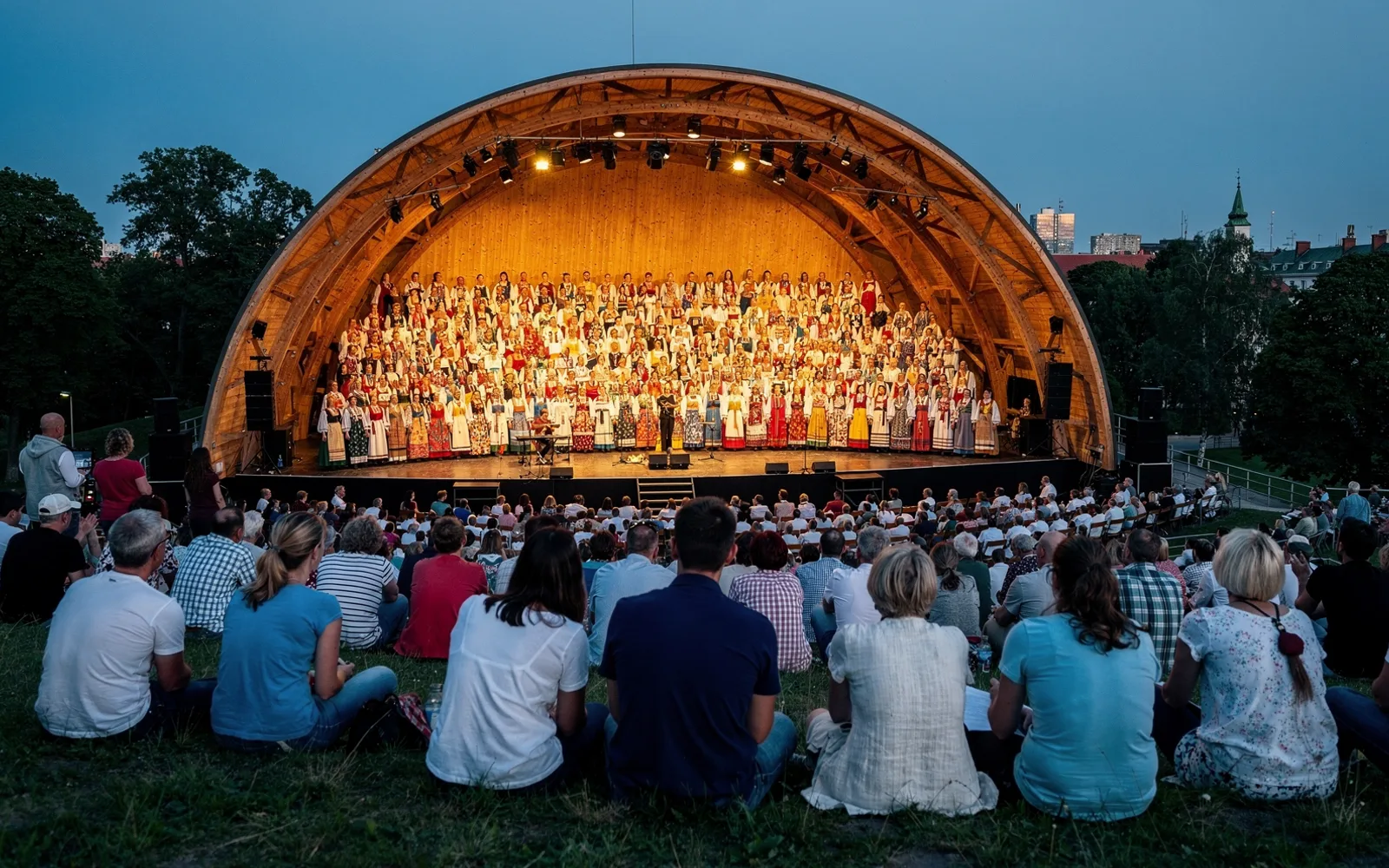
Song accompanies every season and major life transition on Kihnu, forming an audible chronicle of the island. Folk songs known as regilaul, built on ancient poetic meters and repetitive melodies, recount ancestral folklore, sea journeys, and agricultural milestones. These songs are not performed as passive concert pieces, but as active tools of expression during communal chores, church holidays, and evening celebrations. Singers often improvise new verses to comment on village events or humorously describe daily occurrences.
Weddings represent the most elaborate musical and ritual ceremonies on the island, often unfolding over several days. A traditional Kihnu wedding includes specific song cycles for preparing the bride, bidding farewell to her parents, and welcoming her into her husband's household. Accompanied by the violin or accordion, community members perform customary circle dances that involve participants of all generations. These wedding traditions serve as a vital mechanism for transmitting ancestral songs, ensuring that younger residents learn complex ceremonial roles through direct participation.
Safeguarding intangible heritage
The richness and continuity of these community practices earned international recognition through UNESCO. The Kihnu cultural space was initially proclaimed in 2003 and later inscribed on the Representative List of the Intangible Cultural Heritage of Humanity in 2008. This designation highlights how the island successfully preserved its dialect, music, textiles, and communal governance despite the modernization taking place across the wider Baltic region. The recognition reinforced local initiatives to teach native crafts, folklore, and songs in the local school curriculum.
Today, the island balances modern infrastructure with its centuries-old customs. Children learn the regional dialect alongside standard Estonian, and community centers host workshops where older weavers guide novices through intricate loom setups. Visitors to Kihnu encounter a place where modern conveniences exist alongside an unbroken chain of living traditions. As evening falls near the southern lighthouse, the sound of the wind across the Gulf of Riga continues to blend with melodies that have defined island life for centuries.
Spotted an error? Write to newsroom@nordexanews.com. Corrections are noted at the end of the article. See our editorial standards.