Jaanipäev: what's on the Estonian midsummer table
As the white nights illuminate Estonia in late June, traditional dishes and communal outdoor cooking take center stage during the country's celebrated midsummer gatherings.
A celebration under the white nights
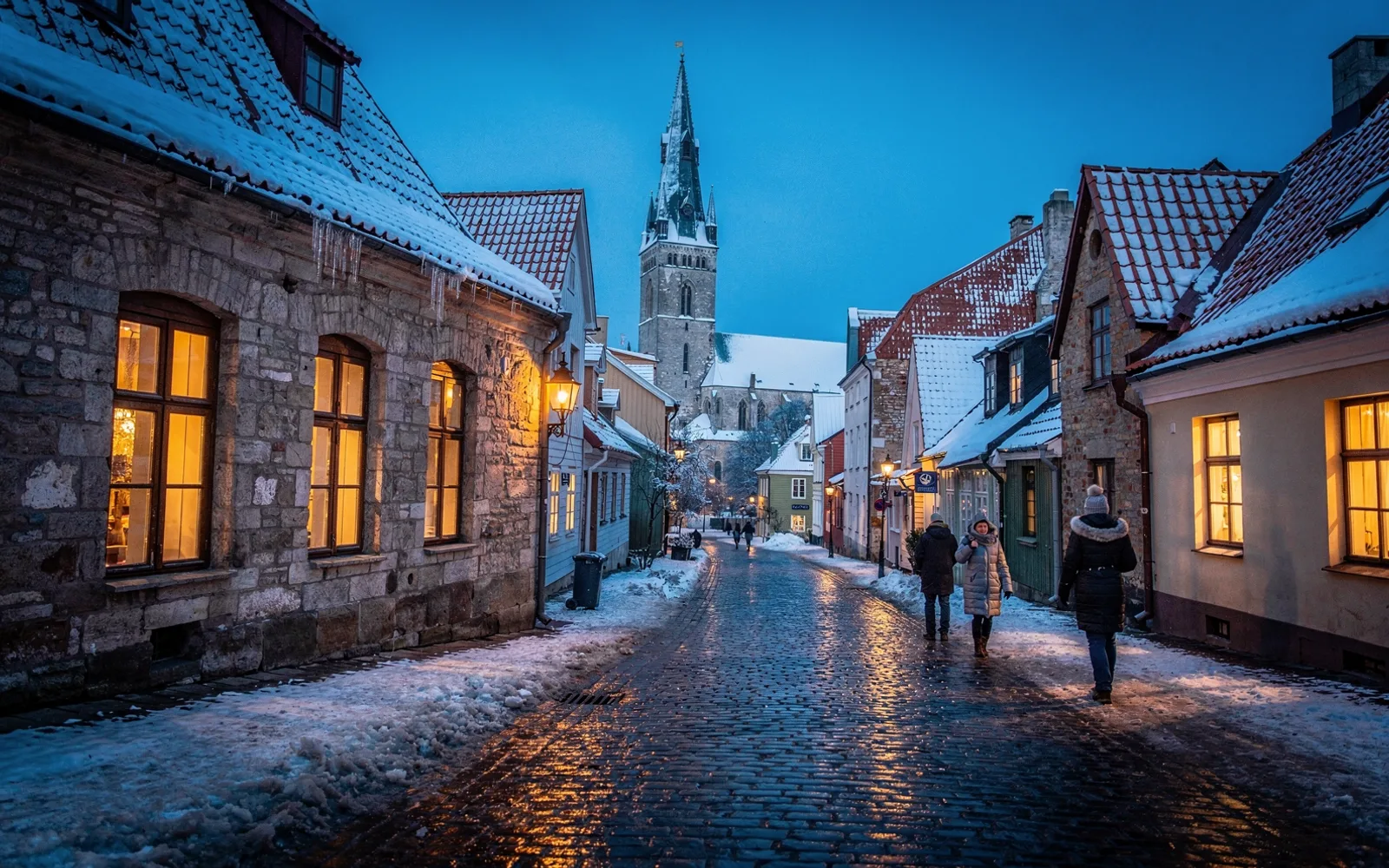
In Estonia, midsummer is one of the most anticipated moments of the entire year. Midsummer Eve, known locally as jaanilaupäev, falls on June 23, followed by St John's Day, or Jaanipäev, on June 24. These dates coincide with the peak of the Nordic summer, when twilight lingers across the landscape without ever turning completely dark. People gather in villages, coastal settlements, and countryside clearings to celebrate these long, luminous evenings outdoors.
The festivities are rooted in ancient customs that mark the summer solstice. Families and neighbors build tall bonfires near lake shores or open fields, lighting them at sunset to keep the festive atmosphere glowing through the short hours of dim light. Village swings, constructed from heavy timber beams, serve as gathering points where adults and children swing together in rhythmic motion. Folk tales encourage people to wander into deep forests in search of the mythical blooming fern flower, an elusive blossom said to bring good fortune to anyone who discovers it.
The central role of the grill
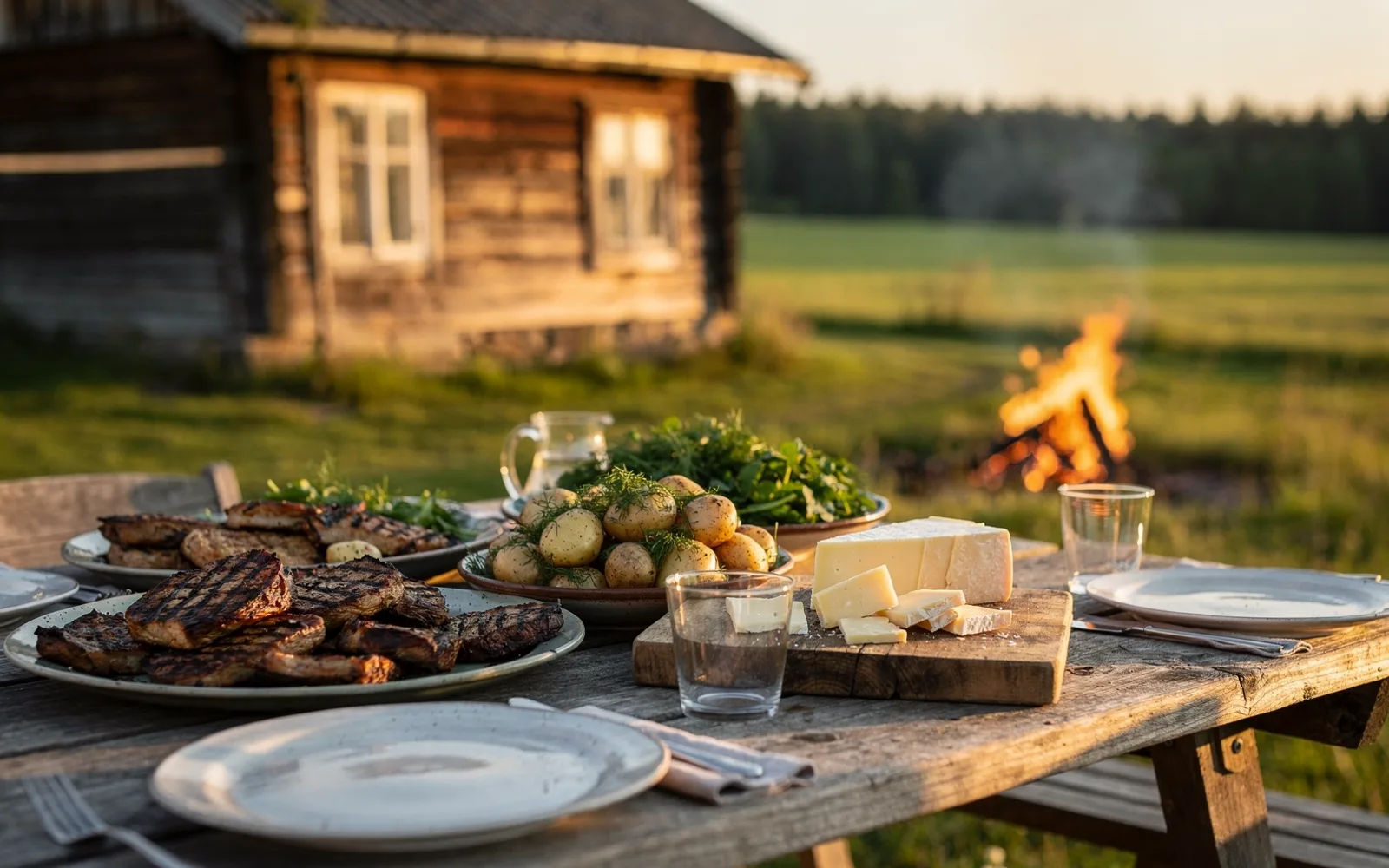
While ancient rituals set the mood, food forms the heart of the social experience during Jaanipäev. As smoke rises from outdoor grills and campfire embers, communal cooking begins in earnest. The aroma of skewered meat, known throughout the region as shashlik, fills the evening air as cooks tend to large metal grills set up in gardens and open parks. Shashlik has become an indispensable staple of Estonian midsummer, featuring marinated cuts of pork or chicken slowly turned over glowing coals until tender and lightly charred.
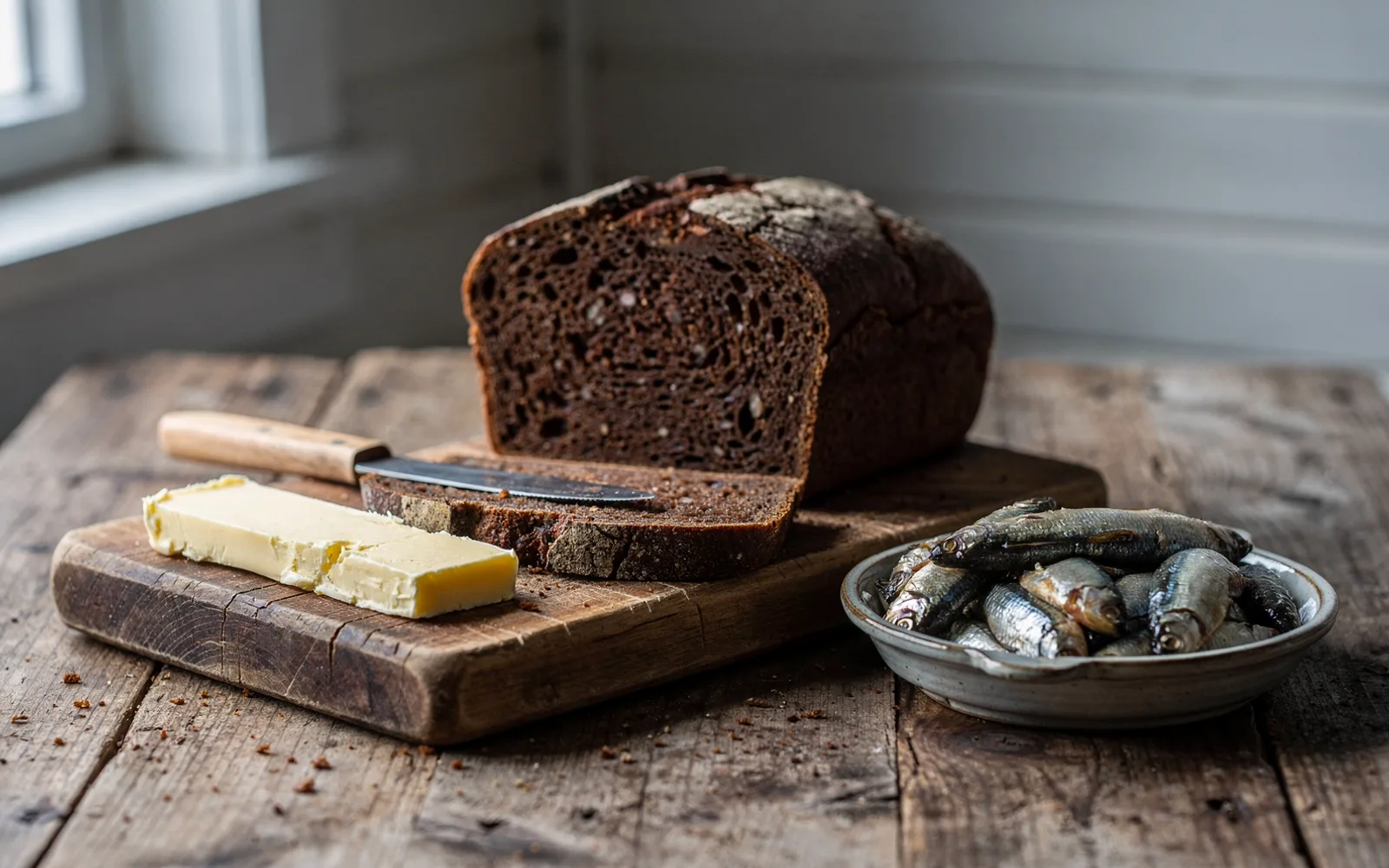
Fresh seasonal potatoes accompany the grilled meats as an essential side dish. Often freshly harvested or simply boiled in large pots over an open fire, potatoes are tossed with butter and chopped garden herbs like dill and chives. Slices of dark rye bread, seasonal greens, and simple pickled cucumbers round out the main meal, reflecting the rustic simplicity of Nordic summer dining. Eating outdoors on makeshift wooden tables encourages long, unhurried conversations that last until the early hours of the morning.
Traditional midsummer cheese
Beyond grilled meats, specific seasonal dairy products play a prominent role in Estonian midsummer customs. The most famous of these is Jaani cheese, a traditional curd cheese specifically linked with the holiday. Made by gently heating curd with milk, eggs, butter, and caraway seeds, this firm, yellow cheese offers a distinctive herbal aroma and a smooth, comforting texture. Sliced into wedges and served at room temperature, it is often eaten alongside rye bread or enjoyed on its own as a savory snack beside the fire.
The preparation of this cheese honors pastoral dairy traditions that have sustained rural Estonian households for generations. In earlier times, June marked the period when cows produced an abundance of fresh milk after moving to lush summer pastures. Making cheese was a practical way to preserve the bounty of early summer while marking a holiday of abundance and renewal. Even today, many home cooks take pride in pressing their own rounds of Jaani cheese ahead of the June celebrations.
Refreshing traditional beverages
Long hours around the midsummer fire call for refreshing beverages that complement the hearty outdoor spread. Home-made beer, brewed in small batches using traditional malt recipes, remains a favorite choice in many rural communities, especially on the western islands. Brewed with care in the weeks leading up to June 23, these farmhouse ales offer gentle earthy flavors that pair naturally with grilled meats and smoked fish.
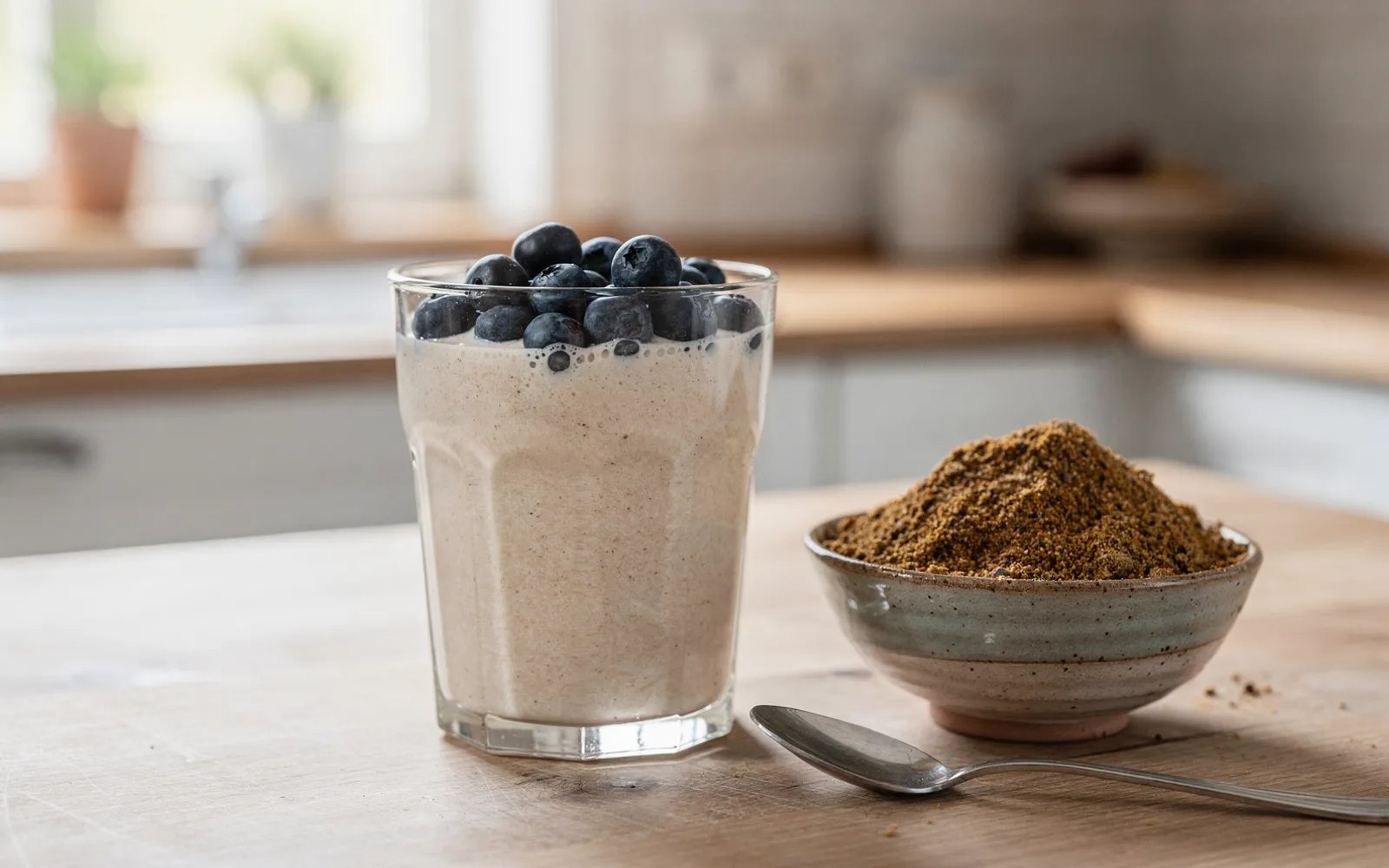
For those seeking a non-alcoholic option, kali provides a deeply rooted historical alternative. Kali is a fermented drink made from dark rye bread, water, and a touch of sweetness, producing a naturally effervescent beverage with a mild tang. Chilled pitchers of kali offer refreshing hydration during the warm afternoon hours before the main bonfires are lit. Together, these timeless foods and drinks sustain the lively outdoor fellowship that defines the Estonian midsummer experience.
Spotted an error? Write to newsroom@nordexanews.com. Corrections are noted at the end of the article. See our editorial standards.