Kama, the Estonian flour you eat with buttermilk
A distinctive staple of Estonian kitchens, kama combines roasted grains and legumes into a shelf-stable powder that turns fermented milk into a satisfying daily food.
A simple pantry staple
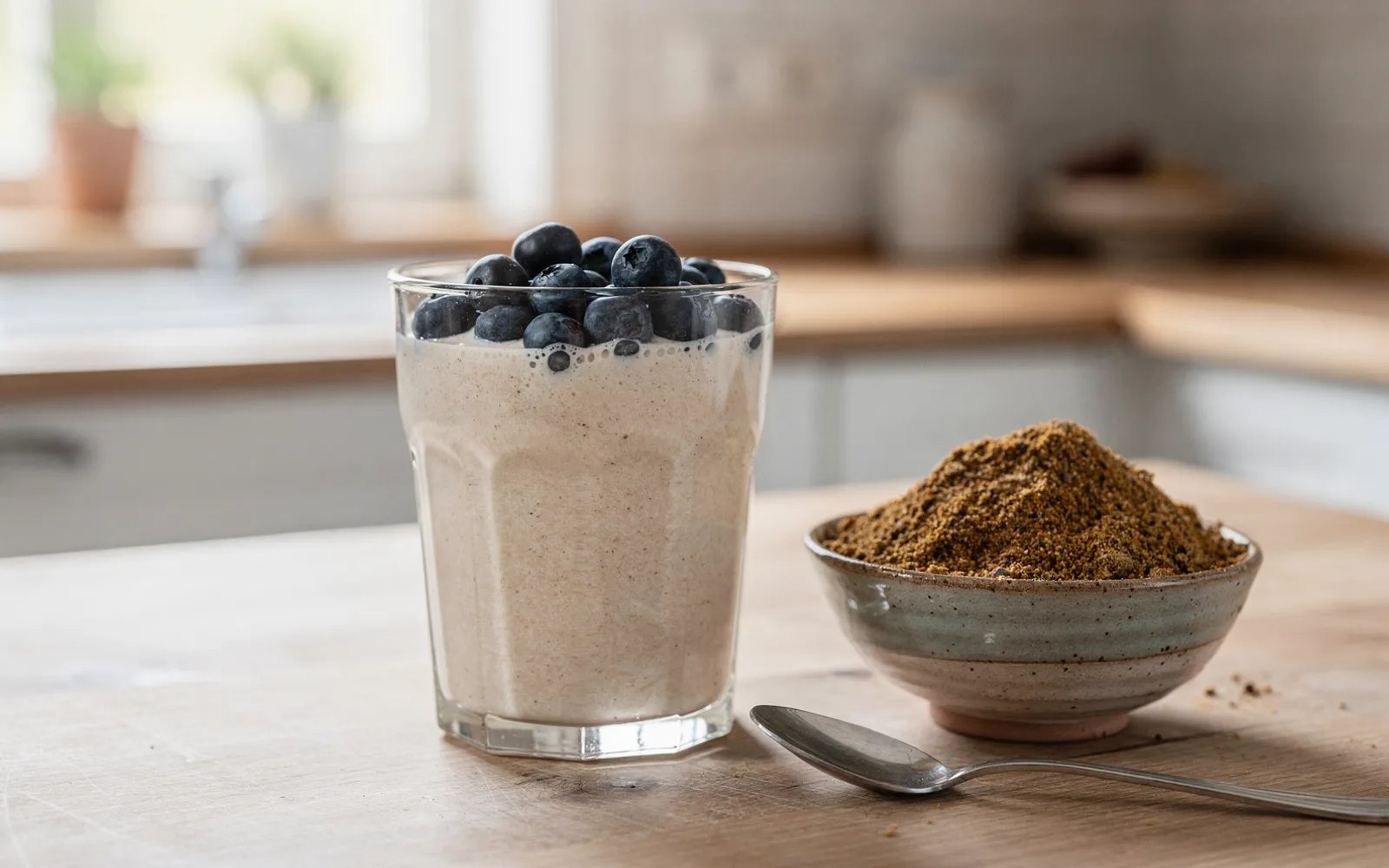
In Estonian households, kitchen cupboards frequently hold a paper bag or canister filled with a fine, grey-brown powder known simply as kama. Unlike conventional wheat flour intended for baking loaves of bread or thickening warm gravies, this traditional mixture is eaten directly without any additional cooking at the table. A generous spoonful or two stirred into a chilled glass of buttermilk, kefir, or sour milk creates an instant drink or a spoonable breakfast porridge with an earthy, toasted flavor. It represents one of the simplest culinary preparations in the Baltic region, requiring neither a hot stove nor complicated preparation steps.
The resulting dish is both light and filling, balancing the dense texture of the grains with the refreshing acidity of fermented milk. Many people across the country prefer to consume the mixture in its plain form, savoring the nutty undertones of the roasted components alongside the pleasant tang of the dairy. Others choose to soften the sourness by stirring in a spoonful of honey or a sprinkle of sugar, or by folding in fresh summer berries like wild blueberries, raspberries, or lingonberries gathered from nearby pine forests.
Four roasted ingredients
The exact recipe of kama is specific and distinct from other regional grain mixtures across northeastern Europe. It is traditionally milled from a carefully measured blend of four separate crops: barley, rye, oats, and field peas. Each component contributes its own physical quality and flavor profile to the finished powder, with the dried field peas providing substance and structure while the three cereal grains lend a familiar rustic foundation.
Before any grinding takes place, the harvested whole grains and dried peas undergo a multi-stage process of boiling, thorough drying, and gentle roasting. Roasting is the decisive step in the manufacturing process, as it gelatinizes the natural starches, darkens the color, and imparts a warm, aromatic toastiness to the blend. Because every ingredient is completely cooked by heat before being processed in the mill, the resulting flour is immediately edible straight from the package, holding no raw or bitter grain flavors.
Practical food for working days
Long before home refrigeration and commercial grocery logistics transformed northern diets, kama served as a dependable cornerstone of rural subsistence. The heat of the roasting stage completely eliminated moisture and preserved the blend against pests and bacterial decay, granting the flour an exceptionally stable shelf life. A batch prepared after the autumn harvest could easily remain fresh for months at a time inside ordinary wooden storage chests or tightly woven linen sacks, showing remarkable resistance to humidity and seasonal temperature changes.
This resilience made kama extraordinarily useful for farm labourers who spent long summer days tending distant pastures and hay meadows. Agricultural workers could pack a compact bag of the dry flour alongside a small container of buttermilk, mixing a fresh portion directly in the field whenever they needed a rest from physical labour. Foresters, fishermen, and overland travellers carried the blend along remote routes for the very same reason, relying on a lightweight, spoil-resistant staple that required no hearth fires, cooking vessels, or boiling water to sustain them on their journeys.
Modern desserts and sweets
Although the customary glass of kama stirred into sour dairy remains a cherished everyday breakfast, the flour has also established a prominent role in contemporary baking and confectionery. Creative home cooks frequently combine the toasted powder with whipped dairy cream, sweetened curd cheese, or sour cream to produce layered parfaits and airy dessert mousses. In these settings, the gentle graininess of the flour creates a satisfying contrast against the smooth richness of the dairy, particularly when layered with tart berry purees or seasonal rhubarb compotes.
Confectioners have similarly embraced kama as a unique local ingredient, incorporating it into milk chocolate bars, rolled truffles, and solid confection squares. It is also added to shortbread doughs, cake batters, and churned ice creams to lend a subtle toasted note and an attractive speckled appearance to familiar treats. These modern adaptations demonstrate how a historic travel ration has successfully evolved, keeping its identity intact while securing an enduring place on restaurant menus and home tables throughout Estonia.
Spotted an error? Write to newsroom@nordexanews.com. Corrections are noted at the end of the article. See our editorial standards.