Tallinn to Tartu by train: an easy day out
A comfortable two-hour rail journey connects Estonia's capital to Tartu, offering travelers a smooth route to historic squares, riverside paths, and renowned cultural landmarks.
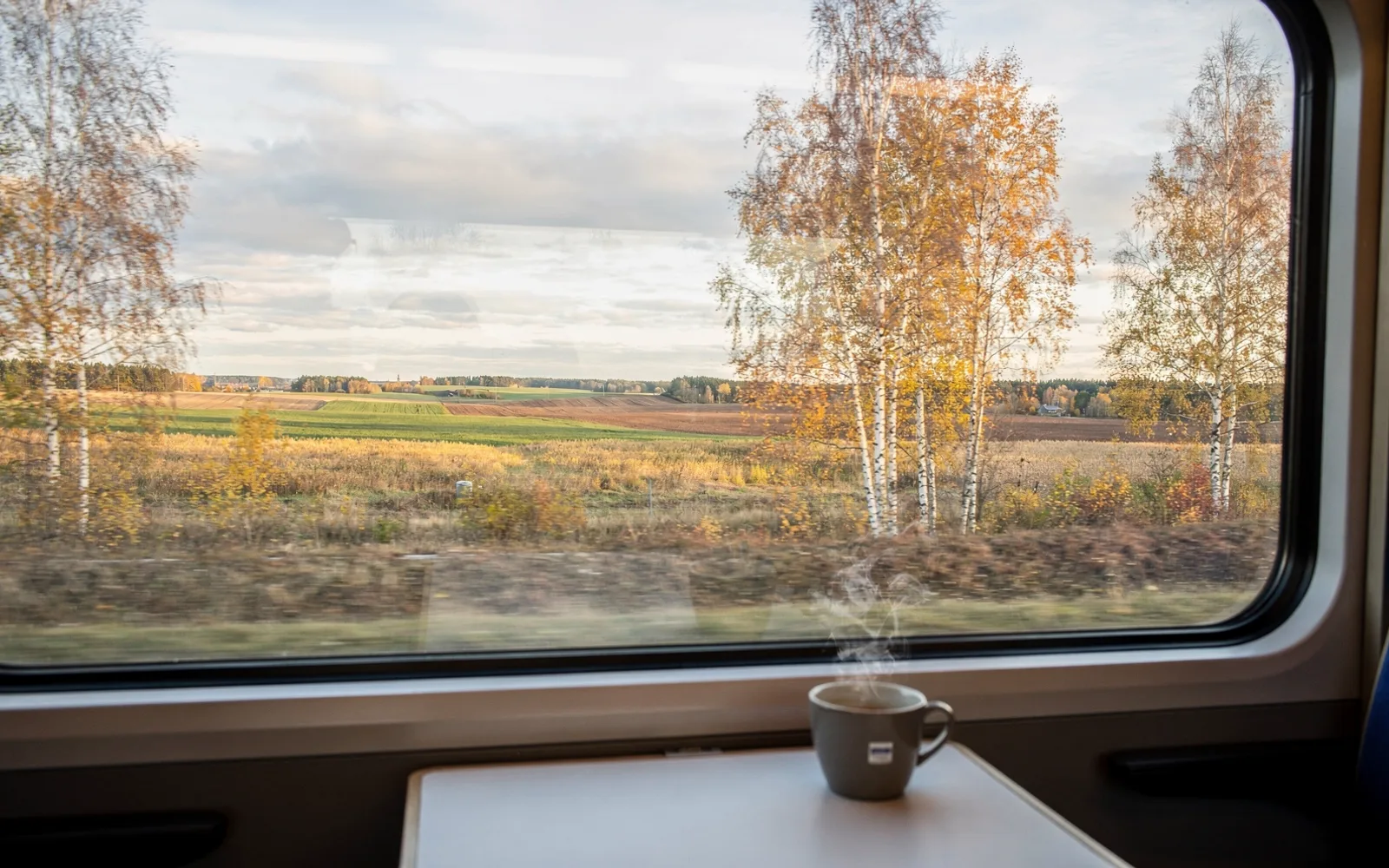
A quiet journey across the countryside
Traveling across southern Estonia by rail offers a calm and picturesque introduction to the national landscape. Modern passenger trains operated by Elron depart frequently from Tallinn, connecting the coastal capital directly to the inland cultural hub of Tartu. The journey takes roughly two hours, gliding smoothly past dense pine woodlands, vast peat bogs, and quiet rural settlements along the central transit corridor. Passengers enjoy comfortable carriages equipped with wide panoramic windows and wooden work tables, providing a restful environment for reading or simply watching the scenic terrain drift by.
This direct rail connection provides an effortless way to arrange an unhurried day trip without the complications of navigating highways or finding parking. Smooth tracks and regular departures throughout the morning and evening ensure that travelers can plan a flexible itinerary at their own pace. Upon pulling into the destination, the historic Tartu railway station welcomes arrivals with its classic wooden design, soaring ceilings, and tranquil platform atmosphere. From the station steps, a pleasant twenty-minute walk or a brief ride on the municipal bus network brings visitors directly into the lively city center.
Academic traditions and the historic center
Tartu is celebrated as Estonia's second city, distinguished by an intellectual heritage shaped over centuries by scholars, researchers, and creative thinkers. At the heart of this legacy stands the prestigious University of Tartu, founded in 1632, whose grand neoclassical main building commands immediate attention with its stately white columns. Students have walked these cobblestone avenues and garden pathways for generations, infusing the district with an energetic rhythm that contrasts gently with Tallinn's commercial bustle. Leafy walking trails behind the campus climb up historic Toome Hill, where shaded parklands, ancient cathedral ruins, and scenic bridges overlook the rooftops of the old quarters.
Down the hill, cobblestone streets open into Town Hall Square, the spacious pedestrian plaza that anchors the civic and social life of the municipality. In the center of the plaza sits the iconic Kissing Students fountain, an affectionate sculpture that has become one of the most recognizable landmarks in the country. Elegant pastel facades, outdoor cafes, and independent bookshops frame the sloping square, encouraging visitors to pause for a quiet warm drink before continuing their walk toward the water.
Riverbanks and science discoveries
Flowing gracefully through the middle of the urban landscape, the Emajõgi river serves as a natural corridor for recreation, relaxation, and outdoor gatherings. Wide paved promenades, wooden boardwalks, and manicured green lawns follow the curving water, creating a welcoming path for walkers, joggers, and cyclists. Several architectural footbridges link the bustling cafe districts on one bank with peaceful residential neighborhoods and botanical gardens on the other. During mild afternoons, the riverbanks fill with people enjoying riverside terraces, watching wooden passenger boats glide across the calm surface, or resting under willow trees.
A short stroll south of the river brings travelers to the AHHAA science centre, the largest interactive educational facility of its kind in the Baltic region. The complex invites visitors of all generations to explore the laws of physics, natural history, and modern technology through dozens of hands-on exhibits, workshops, and planetarium sessions. Its angular glass and metal architecture stands as a striking contemporary counterpart to Tartu's classical limestone monuments, demonstrating the city's commitment to discovery and modern learning.
Modern culture and national memory
Tartu earned widespread international prestige as a European Capital of Culture in 2024, celebrating an extensive program centered on regional creativity and community connection. The celebration invigorated historic neighborhoods like Karlova and Supilinn, drawing attention to their preserved nineteenth-century wooden houses, leafy courtyard gardens, and local craft studios. Even after the formal title year, the creative energy remains palpable across local art galleries, theater stages, and outdoor performance venues spread throughout the municipality.
On the northeastern edge of town lies the monumental modern home of the Estonian National Museum, situated across expansive open grounds. The award-winning glass and concrete structure gently rises from the ground like a ramp, creating an arresting visual connection between the surrounding fields and the sky. Inside, extensive permanent galleries showcase the traditions, textiles, languages, and daily lives of Finno-Ugric cultures alongside artifacts documenting centuries of local life. Spending an afternoon wandering through these luminous exhibition spaces provides an inspiring conclusion to a day of exploration before boarding the return train to Tallinn.
Spotted an error? Write to newsroom@nordexanews.com. Corrections are noted at the end of the article. See our editorial standards.