Lahemaa, the national park that started it all
Stretching along the northern coastline east of Tallinn, Estonia's oldest national park protects a rich tapestry of coastal heritage, grand historic estates, and vast boreal woodlands.
A foundational conservation landscape
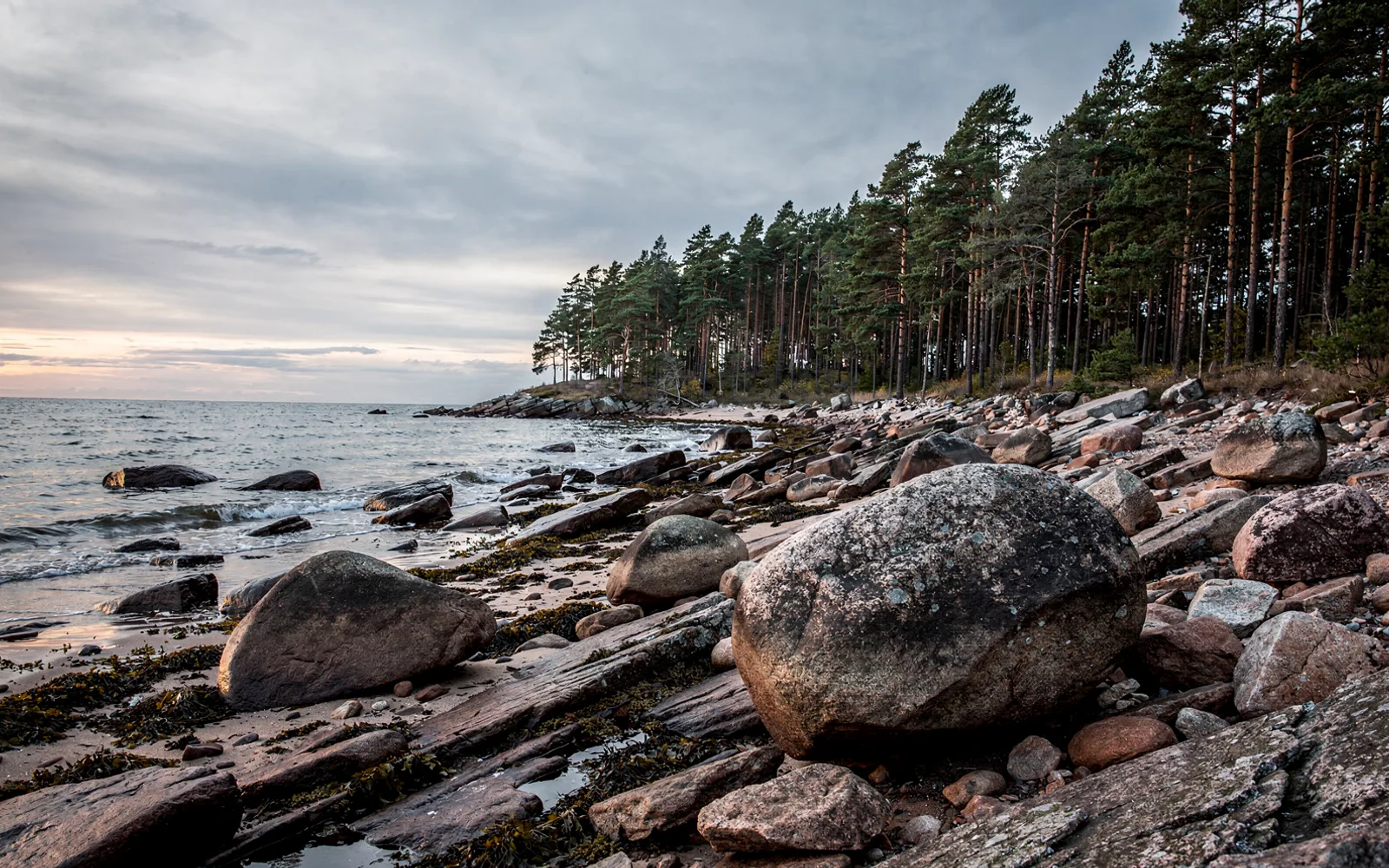
Established in 1971, Lahemaa holds the distinction of being the first national park created in Estonia. Situated along the southern shores of the Gulf of Finland just an hour east of Tallinn, the park spans a diverse range of northern ecosystems. Its name translates roughly to land of bays, reflecting the distinctive shoreline marked by four prominent peninsulas and sheltered inlets.
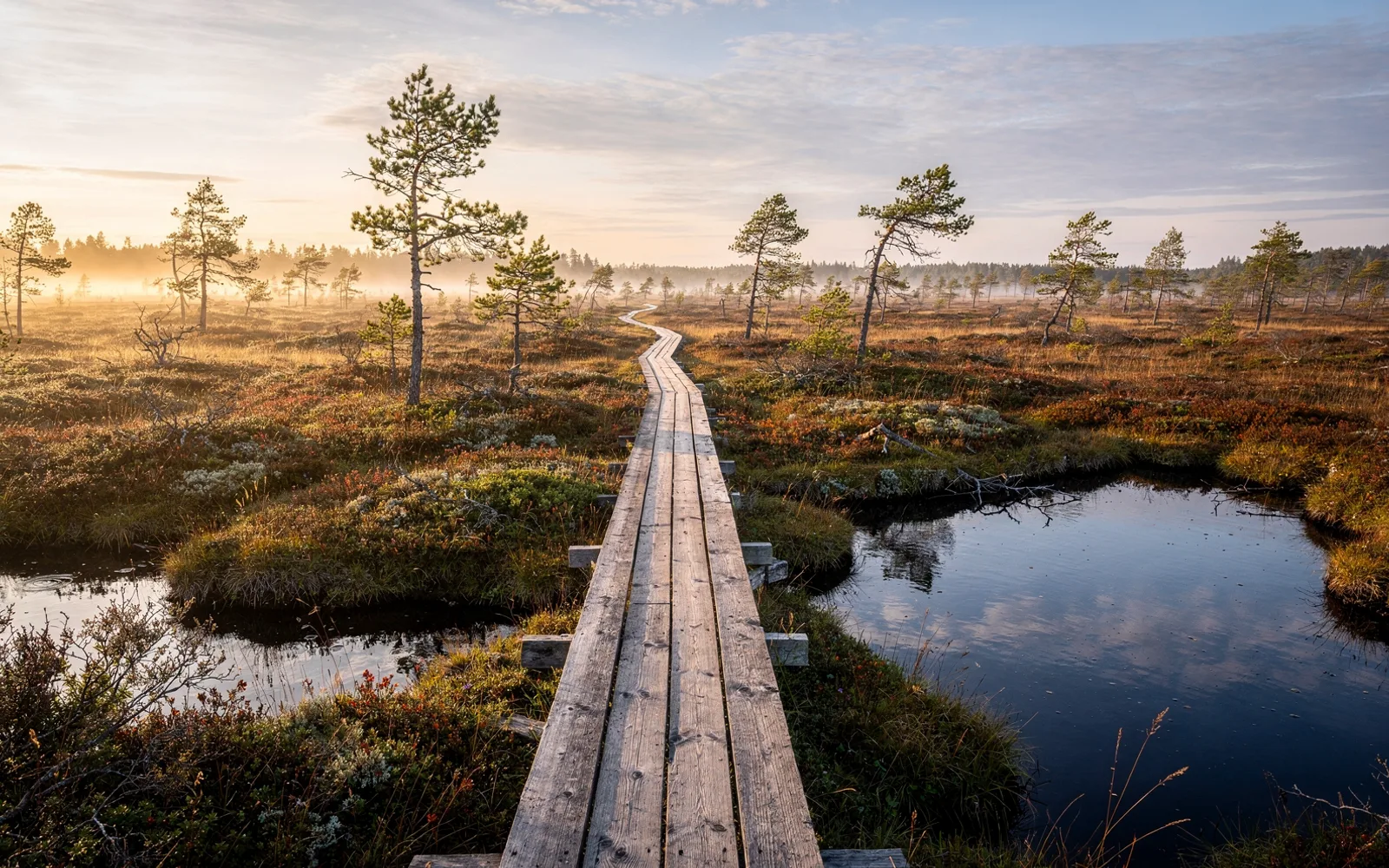
The creation of the park established a precedent for protecting both natural habitats and regional cultural landmarks under a unified framework. Dense pine forests, coastal meadows, raised peat bogs, and rocky beaches exist side by side across the territory. Visitors encounter an environment shaped by maritime weather systems and centuries of traditional land stewardship. Today, the reserve stands as a model of conservation that honors the interplay between human settlement and northern ecosystems.
Maritime traditions and glacial relics
The coastline of Lahemaa preserves deep connections to the sea, visible in historic fishing villages like Altja and Käsmu. In Altja, traditional timber net sheds stand on a stony spit of land, recalling an era when village life revolved entirely around coastal fishing. Wooden farmsteads line the village lane, surrounded by dry stone walls and coastal pastures that have changed very little over generations.
Further west on a wooded peninsula lies Käsmu, historically known as a community of seafarers and shipbuilders. The village features white wooden homes set amidst coastal pine groves, with walking paths that lead directly to the stony shoreline. Scattered along the coast are colossal erratic boulders, carried south from Scandinavia by ancient glaciers during the last ice age. These massive granite rocks rest in the shallow waters and along forest paths, serving as enduring natural monuments.
Grand manors of the interior
Beyond the maritime fringe, the inland landscape features some of the best preserved historic estates in the Baltic region. The manor houses of Palmse, Sagadi, and Vihula offer insight into the architectural and agricultural traditions that shaped rural life for centuries. Each estate was built as a self-sustaining center of forestry, farming, and local governance, surrounded by landscaped parks and formal gardens.
Palmse Manor serves as a central visitor hub, showcasing neoclassical architecture, restored outbuildings, and extensive walking paths around ponds and limestone terraces. Nearby Sagadi is noted for its distinctive pink facade and historic timber structures, along with exhibitions dedicated to forestry traditions. A short distance away, Vihula Manor sits along the banks of the Mustoja River, surrounded by restored water mills, stone bridges, and tranquil parkland that transitions naturally into the neighboring forest.
Vast forests and elusive northern wildlife
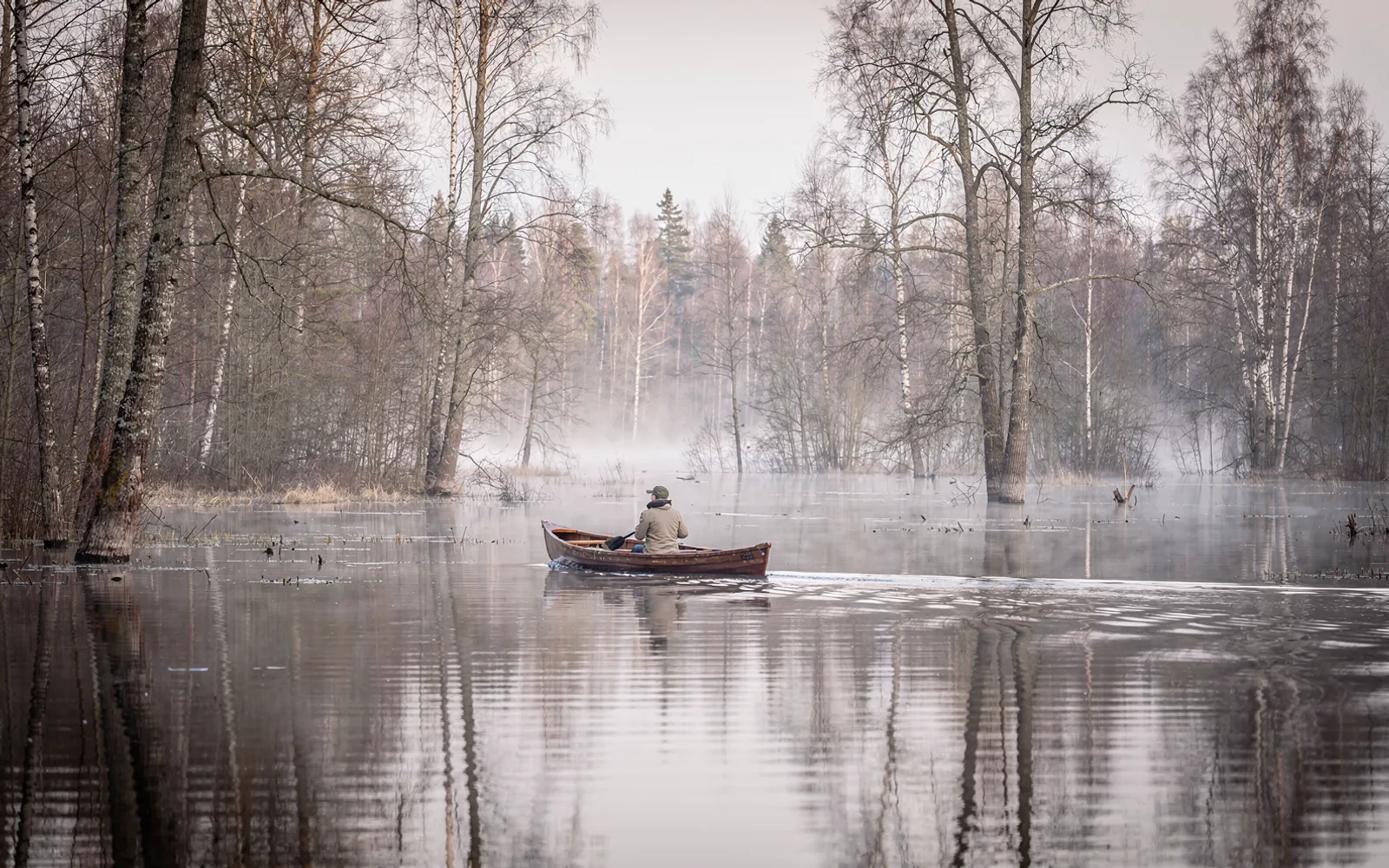
The interior of Lahemaa encompasses extensive tracts of continuous pine and spruce forest, interspersed with wet mires and mossy wetlands. These quiet woodlands provide undisturbed habitats for a wide variety of wildlife typical of the European taiga. Ancient woodland corridors allow animals to migrate freely between coastal zones and the deeper interior forests.
Elk are among the most common large mammals in the park, often spotted foraging in wetland clearings or crossing quiet forest tracks during the early morning hours. More elusive predators also inhabit these dense woodlands, including Eurasian lynx and brown bears. While these solitary animals are rarely seen directly by visitors, their presence is confirmed by regular tracks in winter snow and hidden camera monitoring, confirming the vitality of the ecosystem.
Spotted an error? Write to newsroom@nordexanews.com. Corrections are noted at the end of the article. See our editorial standards.