Skype's Tallinn roots, two decades on
The software created in Tallinn during the early 2000s transformed personal telecommunications and laid the technical groundwork for Estonia's thriving modern technology ecosystem.
The code written in Tallinn
In 2003, a small team of software developers in Estonia introduced a communication program that changed how people spoke across distances. The core peer-to-peer software behind Skype was built by Estonian engineers Ahti Heinla, Priit Kasesalu, and Jaan Tallinn. Their technical architecture allowed voice calls and instant messages to travel directly between computers without relying entirely on centralized servers.
This innovative approach solved bandwidth limitations that had previously made long-distance voice calls difficult or costly. Within months of its release, the software gained millions of users worldwide who embraced clear computer-to-computer audio. The program proved that world-class consumer software could be designed, written, and deployed from the Baltic region.
The software soon expanded beyond simple voice communication to include video calling, conference chats, and text messaging. For millions of households, the distinct call ringtone became an everyday sound that connected families separated by oceans. Behind the familiar interface, the core technical team in Tallinn continued to refine data compression and network protocols.
From Mustamäe to Ülemiste
As the user base expanded, the physical footprint of the company in Tallinn grew alongside it. The engineering operations were based initially in the Mustamäe district, near the technical university campus where many local engineers had studied. The environment reflected an informal, collaborative workspace culture that was relatively novel for the region at the time.
Over time, the engineering teams relocated into larger, modern spaces in the Ülemiste area of Tallinn. This district gradually transformed from an industrial hub into a dense cluster of technology offices and research laboratories. The Skype office became a central landmark in this new quarter, drawing international software talent into the Estonian capital.
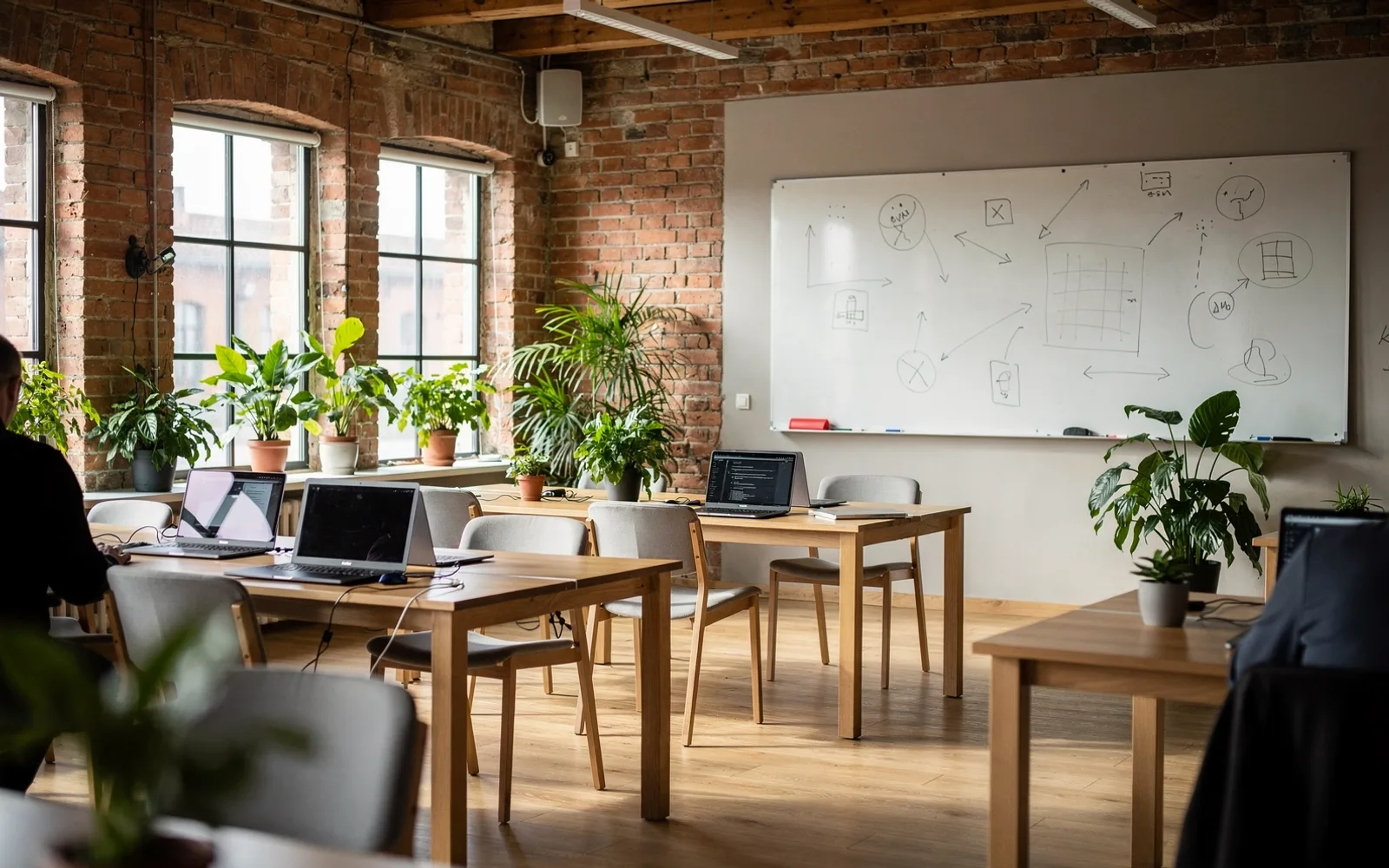
Inside these offices, developers tackled complex engineering problems related to video delivery and network reliability. The Tallinn location remained the technological heart of the operation, maintaining responsibility for core architecture even as the company opened commercial branches in international cities. The workspace established a standard for office design and engineering teamwork that later spread throughout local industry.
Corporate shifts and retirement
In 2011, Microsoft bought Skype, integrating the communication service into its broad ecosystem of personal computing and enterprise tools. The acquisition linked the Tallinn engineering offices with global technical teams across several continents. Under this stewardship, the service continued to handle billions of call minutes each month across desktop and mobile devices.
Digital communication platforms evolved rapidly over the subsequent decade, with workplaces shifting toward integrated collaboration software. In response to these changes, Microsoft decided to retire the Skype service in May 2025 in favour of Teams. This transition marked the formal conclusion of a standalone consumer application that had spanned more than two decades.
Although the brand stepped down, the technical contributions developed during those twenty years left a lasting mark on modern software standards. Many of the basic conventions of contemporary video conferencing were proven and popularized by Skype during its peak years. The closure of the standalone service concluded an era, yet the fundamental engineering principles established in Tallinn remained embedded in the foundation of modern digital communications.
A lasting engineering diaspora
The influence of the software extends far beyond its operational lifespan. Former Skype engineers and product managers used their technical experience to start other Estonian companies, creating a deep pool of entrepreneurial knowledge. These individuals carried modern product design principles, scalable programming methods, and international perspectives into a wide variety of new ventures.
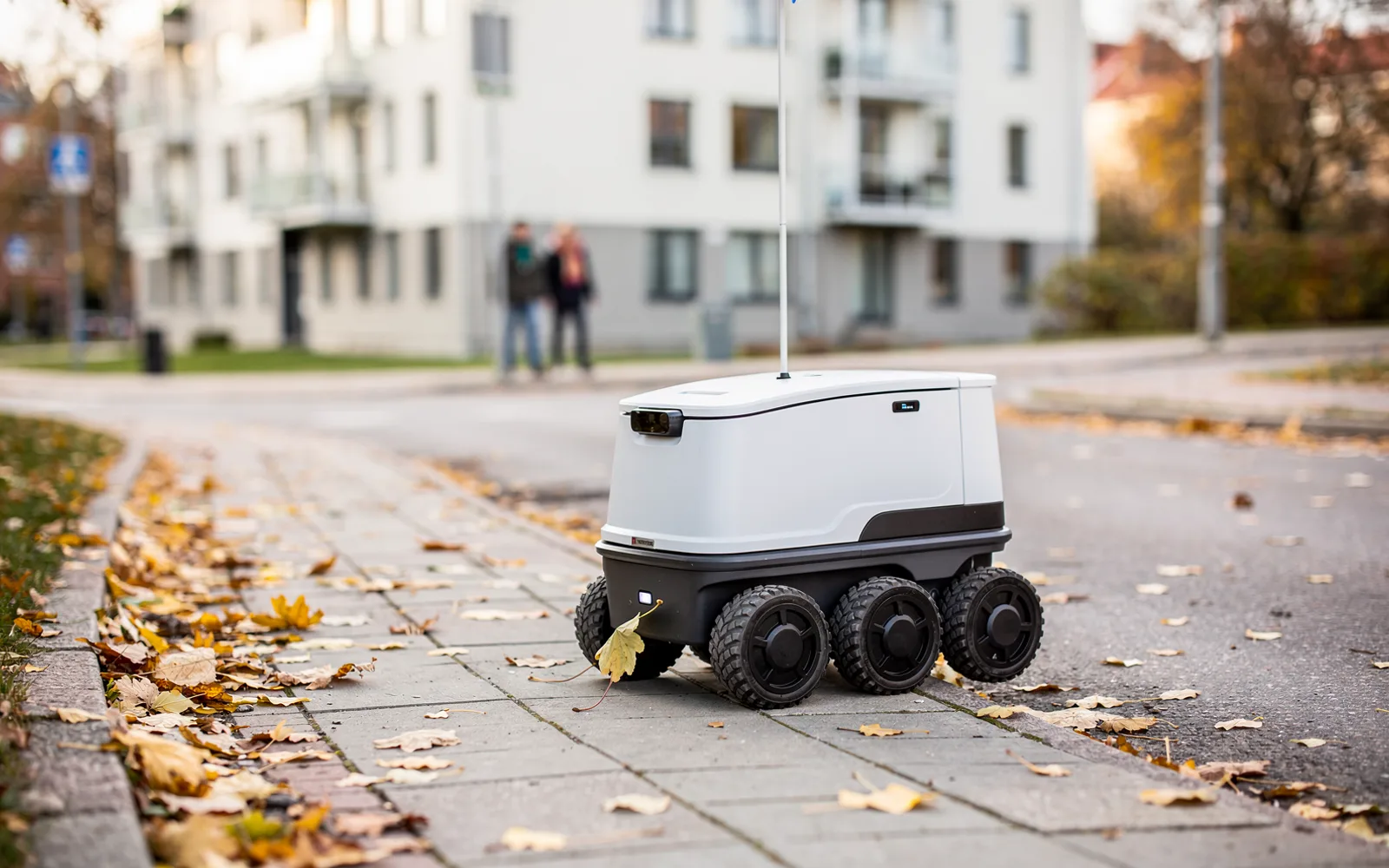
This network of experienced specialists helped turn Tallinn into one of the most dynamic technology hubs in northern Europe. New firms founded by Skype alumni tackled challenges in transportation, financial tools, digital logistics, and specialized software services. The presence of professionals who had built a global software service from scratch gave younger developers the confidence to pursue international projects.
Today, the legacy of the 2003 release is visible in the clusters of innovative companies operating across Tallinn and Tartu. The shared knowledge gained from solving technical hurdles at planetary scale remains active within the regional workforce. Two decades after three local engineers wrote the original code, the cultural and technical impact of Skype continues to shape the Baltic digital landscape.
Spotted an error? Write to newsroom@nordexanews.com. Corrections are noted at the end of the article. See our editorial standards.